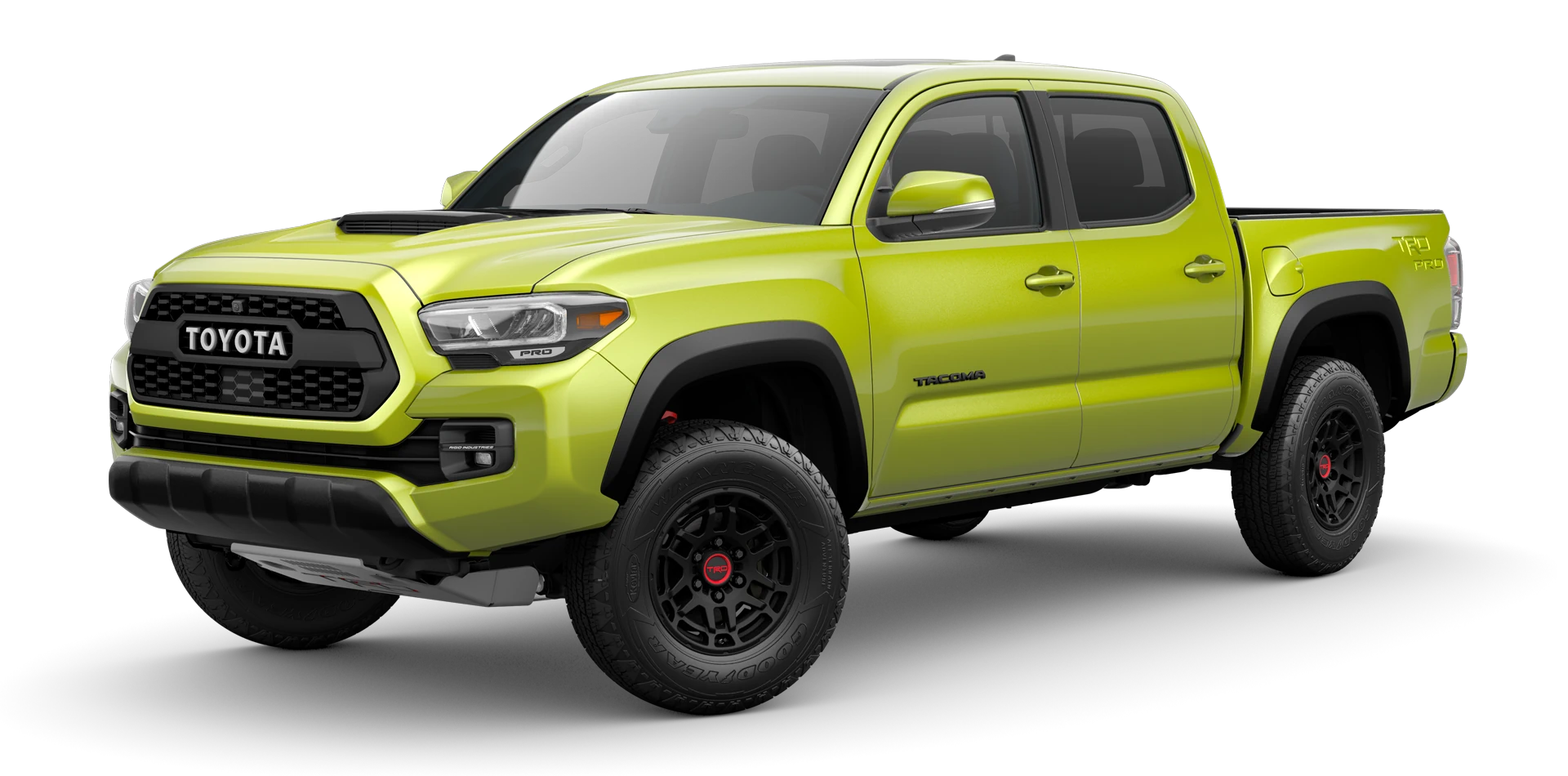
TECHNICAL INSTRUCTIONS
FOR
SAFETY (NONCOMPLIANCE) RECALL 22TA09
UPPER CHILD SEAT ANCHOR WELDS MAY FAIL DURING A CRASH
CERTAIN 2022-2023 MODEL YEAR TACOMA VEHICLES
Technician Training Requirements for the Technical Instructions
The repair quality of covered vehicles is extremely important to Toyota. All dealership technicians performing the child seat anchor weld inspection procedure (Section VI in the Technical Instructions) are required to successfully complete the most current version of the E-Learning course “Safety Recall and Service Campaign Essentials”. To ensure that all vehicles have this inspection performed correctly; technicians performing this inspection are required to currently hold at least one of the following certification levels:
Note:
1.) Only authorized Toyota dealers are authorized to perform the child seat anchor weld inspection procedure (Section VI in the Technical Instructions). Non-Toyota dealer entities (such as a third-party collision centers, or a Toyota Certified Collision Center) are not authorized to perform the child seat anchor weld inspection procedure.
2.) If required, the Weld Repair (Sections VII – XIV in the Technical Instructions) is typically performed by a non-Toyota dealer entity (such as a third-party collision center or a Toyota Certified Collision Center) and thus, there are no specific technician training requirements for performing the Weld Repair instructions. But dealers and non-dealer entities should use technicians with the appropriate skills and should follow the Weld Repair instructions.
BACKGROUND
The upper child seat anchors of the involved vehicles may not have been welded sufficiently and may not meet minimum strength requirements. Vehicles with upper child seat anchor welds that do not meet strength requirements do not comply with applicable regulations in the U.S. An insufficient weld may allow the child seat to move during a sudden stop or crash, increasing the risk of injury.
Note: At this time, Toyota expects approximately 1 out of every 20 vehicles (about 5%) will have at least one insufficient weld identified.
22TA09 – Upper Child Seat Anchor Welds May Fail During a Crash – 2022-2023 Toyota Tacoma
Remedy Instructions and TSB
RCRIT-22V520-8654.pdf 2983.704KB
Latest Recalls Documents

- 3-in-1 harness booster helps protect your child, from toddler to youth
- Grows with your child from forward-facing harness (26.5-65 lb) to highback booster (40-100 lb*) to backless booster (40-100 lb) *To continue to meet industry standards, we have increased the weight minimum from 30 to 40 lb
- No-Rethread Simply Safe Adjust Harness System allows the headrest and harness to adjust together in one motion
- Lightweight, portable seat is ideal for busy, active parents
- One-hand, 9-position adjustable headrest grows with your child

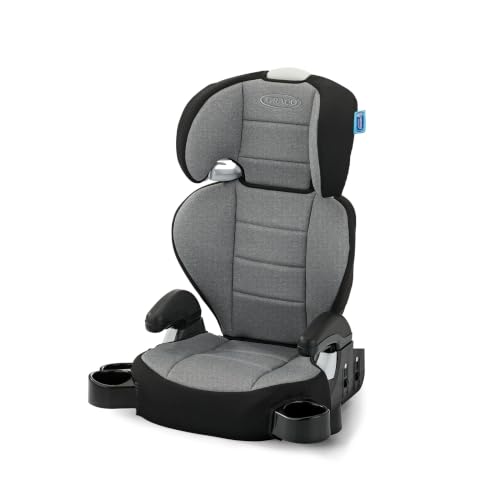
- 2-in-1 Convertible Seat: From highback to backless booster to accommodate your growing child
- Safety First: Graco ProtectPlus Engineered with rigorous crash tests to ensure maximum safety
- Comfortable Ride: Height-adjustable armrests and head support for your child’s comfort
- Convenient Features: Hide-away cup holders keep your child content on the road
- Secure Positioning: Open-loop belt guides for proper seat belt positioning and independent self-buckling
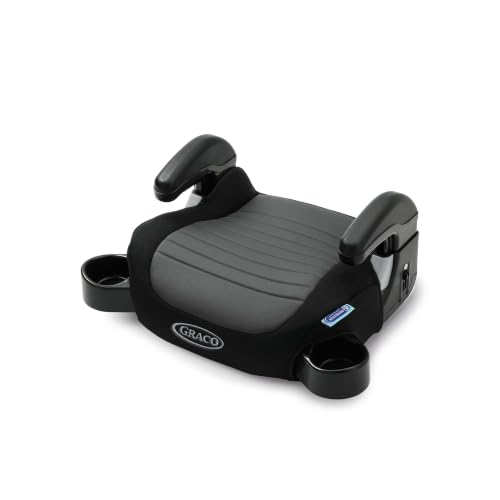
- This Graco booster seat helps safely transport your big kid from ages 4 -10, from 40 - 100 pounds and up to 57 inches tall
- Backless booster is top-rated by leading consumer magazines and publications
- Graco ProtectPlus Engineered: a combination of the most rigorous crash tests that helps to protect your child in frontal, rear, and rollover crashes; additional testing based on the New Car Assessment Program and for extreme car interior temperatures
- The boost your child will love
- Height-adjustable armrests for your child's comfort

- Convertible car seat grows with your child from rear-facing harness (4-50 lb) to forward-facing harness (26.5-65 lb)
- Extend2Fit 4-position adjustable extension panel provides up to 5" additional legroom, allowing your child to safely ride rear-facing longer
- Up to 50 lb rear-facing, allowing your child to safely ride rear-facing longer
- Graco ProtectPlus Engineered to the newest testing standards for side and frontal impact, and beyond—because the safety of your child shouldn’t stop at the standard
- No-Rethread Simply Safe Adjust Harness System allows the headrest and harness to adjust together in one motion
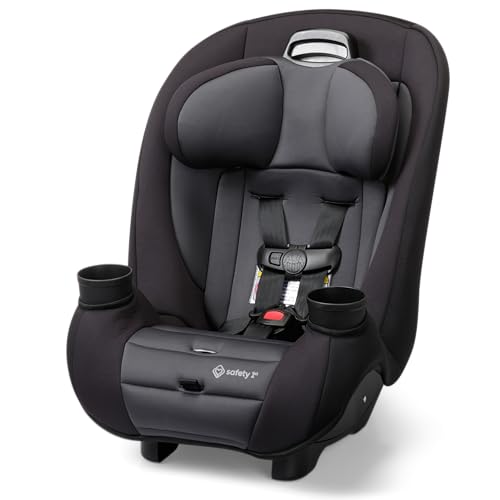
- MADE TO BE WITH YOU FOR YEARS The Safety 1st Ellaris Convertible Car Seat is a 3 in 1 car seat that adapts to your growing little one with 3 modes of use, making Ellaris car seats a key piece of your family for years to come
- 3 WAYS TO USE The Safety 1st Ellaris Convertible Car Seat offers extended use as a rear facing car seat with Rear-Facing Infant (5–30 lbs.) and Rear-Facing Toddler (30–40 lbs.), and as a forward facing car seat (30–65 lbs.)
- COMFORT AND FLEXIBILITY This convertible slim car seat has a slim design for more space, and its easily adjustable 5-position headrest and harness provide a comfortable ride as your little one grows
- FEDERAL SAFETY AND SIDE IMPACT STANDARDS This convertible car seat was engineered and tested to meet or exceed federal safety standards. It also meets the federal Side Impact standard
- ADDITIONAL FEATURES YOU’LL LOVE Baby car seat with machine-washable and dryer-safe seat pad; 2 removable, dishwasher-safe cup holders; Hook-style LATCH for easy installation; Airplane ready, compact design for travel from the airport to the flight
SEOCONTENT-START
TECHNICAL INSTRUCTIONS FOR SAFETY (NONCOMPLIANCE) RECALL 22TA09 UPPER CHILD SEAT ANCHOR WELDS MAY FAIL DURING A CRASH CERTAIN 2022-2023 MODEL YEAR TACOMA VEHICLES Technician Training Requirements for the Technical Instructions The repair quality of covered vehicles is extremely important to Toyota. All dealership technicians performing the child seat anchor weld inspection procedure (Section VI in the Technical Instructions) are required to successfully complete the most current version of the E-Learning course “Safety Recall and Service Campaign Essentials”. To ensure that all vehicles have this inspection performed correctly; technicians performing this inspection are required to currently hold at least one of the following certification levels: • Expert Technician (any specialty) • Master Technician • Master Diagnostic Technician Always check which technicians can perform the inspection by logging on to https://www.uotdealerreports.com. It is the dealership’s responsibility to select technicians with the above certification level or greater to perform this inspection. Carefully review your resources, the technician skill level, and ability before assigning technicians to this repair. It is important to consider technician days off and vacation schedules to ensure there are properly trained technicians available to perform this inspection at all times. Note: 1.) Only authorized Toyota dealers are authorized to perform the child seat anchor weld inspection procedure (Section VI in the Technical Instructions). Non-Toyota dealer entities (such as a third-party collision centers, or a Toyota Certified Collision Center) are not authorized to perform the child seat anchor weld inspection procedure. 2.) If required, the Weld Repair (Sections VII – XIV in the Technical Instructions) is typically performed by a non-Toyota dealer entity (such as a third-party collision center or a Toyota Certified Collision Center) and thus, there are no specific technician training requirements for performing the Weld Repair instructions. But dealers and non-dealer entities should use technicians with the appropriate skills and should follow the Weld Repair instructions. 2 No further action required Not Covered Covered Verify Vehicle Eligibility 1. Confirm vehicle VIN matches RO 2. Check Vehicle Inquiry System for campaign eligibility Campaign completed, return the vehicle to the customer Perform Chisel-Check on each upper child seat anchor factory-weld Re-install rear cab interior trim panel All welds are OK 1 or more welds are NG Print and affix do-not-use label to NG upper child seat anchor(s) Perform weld repair to affected upper child seat anchor(s) Note: the weld repair is usually performed by a third-party collision center Remove rear cab interior trim panel Confirm the specifications of your chisel are correct I. IDENTIFICATION OF AFFECTED VEHICLES Check the TIS Vehicle Inquiry System to confirm that each VIN is eligible for this Safety Recall, and that it has not already been completed prior to dealer shipment or by another dealer. Note: TMNA warranty will not reimburse dealers for repairs completed on vehicles that are not affected or were completed by another dealer. II. BACKGROUND The upper child seat anchors of the involved vehicles may not have been welded sufficiently and may not meet minimum strength requirements. Vehicles with upper child seat anchor welds that do not meet strength requirements do not comply with applicable regulations in the U.S. An insufficient weld may allow the child seat to move during a sudden stop or crash, increasing the risk of injury. Note: At this time, Toyota expects approximately 1 out of every 20 vehicles (about 5%) will have at least one insufficient weld identified. 3 III. COMPONENTS INSPECTION OF THE FACTORY WELDS ON THE UPPER CHILD SEAT ANCHORS 4 IV. PREPARATION A. TOOLS, SUPPLIES & EQUIPMENT • Standard hand tools • 1-1/2 lb.(24oz) Hammer • 3/8” Chisel, refer to specifications below • Torque wrench 3/8” Chisel – Specifications Chisel Angle Checker Blade Width: 3/8” Blade Angle 12° +/- 0.5° If you ordered a chisel that was not listed above, confirm it has a 12° angle by placing the tip here. Watch the video demonstration on page 9 as well. • If your chisel does not meet these specifications, you could damage the vehicle and the results of the check may not be valid • Blade must be in good condition: not dull, blunted, or chipped Examples of Acceptable Chisels • Mayhew Pro 10202 (single chisel) • Mayhew Pro 60560 (use the 3/8 chisel in the set) • Proto J86A3/8 (single chisel) • Proto J86000 (use the 3/8 chisel in the set) • Proto J2 (use the 3/8 chisel in the set) • Westward 2AJH6 (single chisel) • Westward Set 2AJL5 (use 3/8 chisel in the set) 12° 3/8” 5 V. REMOVE REAR CAB INTERIOR PANEL 1. DISCONNECT NEGATIVE BATTERY CABLE 2. FOLD UP SEAT BENCH 3. UNBOLT THE MIDDLE SEAT BELT FROM THE FLOOR 4. REMOVE REAR SEAT HEAD RESTS Remove Remove seat belt bolt 6 5. FOLD DOWN SEAT BACKS 6. UNBOLT SEAT BACKS FROM SEAT HINGE • Remove the four (4) bolts as shown in the diagram Note: Do not unbolt the hinge from the floor. Just unbolt the seat from the hinges and leave the hinges attached to the floor. 7. REMOVE SEAT BACKS 1.) Remove bolts Don’t unbolt hinges from the floor 2.) Remove seat backs 7 8. REMOVE LUGGAGE COMPARTMENT SIDE TRAY LH a. Remove the five (5) bolts as shown in the diagrams. If equipped with a subwoofer, there are four (3) total bolts. 9. REMOVE LUGGAGE COMPARTMENT SIDE TRAY RH w/o woofer w/ woofer Note: if you break some clips (90467-09240) during removal (or reinstallation), replacement clips may be ordered and included on the warranty claim. The P/N is 90467-09240. 8 10. REMOVE SUB-WOOFER AND AMPLIFIER ASSEMBLY (IF EQUIPPED) a. Remove the four (4) bolts as shown in the diagram b. Remove the electrical connectors 11. REMOVE PADDING Remove padding 9 VI. PERFORM CHISEL-CHECK (child seat anchor weld inspection procedure) Background: The chisel-check is an inspection procedure used to confirm if the three (3) factory-welds on each of the three (3) upper child seat anchors have sufficient strength. ◄ CHISEL-CHECK VIDEO INSTRUCTIONS ► (~3 MINUTES) 1. Watch the chisel-check video instructions 2. Each of the three (3) upper child seat anchors need to be chisel-checked 3. This diagram shows the three (3) factory weld points on each upper child seat anchor that require the chisel-check, the chisel depth, and the chisel di rection. • Stop driving the chisel once it reaches the factory-weld. You don’t have to drive the chisel very hard. • You are not trying to drive the chisel though the factory-weld. The goal is to drive the chisel just hard enough to wedge it between the back panel and the anchor. • If the factory-weld is bad, the force from the wedging should separate it right away. • If you drive the chisel too hard, you could accidentally punch a hole with the chisel though the back panel. • Do not use an air hammer. You must watch the video for instructions on performing the chisel-check Chisel direction Chisel depth Factory Weld Point Back panel Factory-Weld Point Upper child seat anchor Chisel Properly wedged chisel Chisel Depth Chisel Direction 10 ◄CHISEL-CHECK RESULTS► Result Picture Example OK NG No weld separation weld separation 11 ◄DID ONE OR MORE OF THE FACTORY WELDS BREAK AFTER THE CHISEL-CHECK?► Answer Actions to Take NO All factory welds are OK 1. Campaign completed – vehicle is NOT affected. 2. Reassemble the vehicle following the instructions in section XVI. 3. Return vehicle to customer. YES One or more factory welds are broken (NG) 1. Afix the DO NOT USE label (page 20 in the appendix) to the affected uppper child seat anchor(s) so the body shop knows which anchor(s) to weld. 2. Perfom the Weld Repair (sections VIII – XIV) to add welds to the affected upper child seat anchor(s). Note: A third-party body shop may be needed to perform the Weld Repair. If so. you MUST SHARE the Weld Repair instructions with the body shop. The Weld Repair instructions are detailed in Sections VIII -XIV in these Technical Instructions. 12 The child seat anchor weld inspection procedure in Section VI MUST be performed FIRST before performing the weld repair. ONLY AUTHORIZED TOYOTA DEALERS are authorized to perform the weld inspection procedure (Section VI). VII. OPERATIONAL FLOW CHART (WELD REPAIR) Confirm which upper child seat anchor(s) that require welding. Campaign completed, return the vehicle to Toyota dealer Paint the welded upper child seat anchor(s) Reassemble vehicle Perform welding repair to affected upper child seat anchor(s) Install weld protection blankets in the vehicle Disassemble vehicle 13 VIII. BACKGROUND (WELD REPAIR) Background You will weld one or more of the three (3) upper child seat anchors. The Toyota dealer should mark the anchor(s) that require welding with a DO NOT USE label. If you cannot determine which anchors require welding, call the Toyota dealer to confirm. IX. PREPARATION (WELD REPAIR) B. TOOLS & EQUIPMENT • Leather weld protection blankets for vehicle interior (Fiber glass blankets are not recommended) • MIG weld machine • Sanding device/tool C. SUPPLIES • Weld/spark deflector paper (3M 05916 recommended) • Paint • Tape (3M 301+ recommended) • Clear Coat • Aluminum foil • 2K Epoxy Primer • Sandpaper/sanding disc • Cavity Wax X. CONFIRM UPPER CHILD SEAT ANCHORS TO BE WELDED 1. The Toyota dealer should have attached a “DO NOT USE” label (shown in the example the left) to the upper child seat anchor(s) that require welding. Only weld upper child seat anchors that have been marked by the Toyota dealer. Make sure you know which upper child seat anchor(s) to weld. If the Toyota dealer has not attached the DO NOT USE label to any anchors, contact the Toyota dealer and request them to specifiy which anchor(s) require welding. 14 XI. CONFIRM VEHICLE IS DISASSEMBLED 1. Remove negative battery cable 2. Confirm the rear seat area is disassembled. The vehicle should be in the following condition once properly disassembled A. Seat backs removed B. Back seat trim panel removed C. Subwoofer removed (if equipped) D. Seat benches flipped up B A C D 15 XII. INSTALL ADEQUATE WELD PROTECTION IN VEHICLE 1. Cover the back panel and glass with weld and spark protection paper (3M 05916 or equivalent). Ensure the back glass is thoroughly covered in weld/spark protection paper 2. Cover the rear end of the headliner with aluminum foil. 3. Cover the hinge pillars and seat belts with aluminum foil or a weld blanket. 4. Protect the floor by installing a leather weld protection blanket. 5. Protect the front seats, and rear seat benches (folded-up), by installing leather weld protection blankets. 6. Protect the headliner by installing a leather weld blanket as shown in the picture. 2 3 1 4 5 6 16 XIII. WELD THE AFFECTED CHILD SEAT ANCHOR Make sure you know which upper child seat anchor(s) to weld. If the Toyota dealer has not attached the DO NOT USE label to any anchors, contact the Toyota dealer and request them to specifiy which anchor(s) require welding. 1. Sand the perimeter of the back panel surrounding the child seat anchor 2. Sand the perimeter of the upper child seat anchor(s) that requires welding. 3. It’s recommended to attach the ground clamp to one of the holes in the brace as shown in the picture. a.) You will need to sand the surface to get sufficient conductance. b.) Repaint and clear coat the area that you sand when finished. 4. Apply MIG welding to the three (3) areas shown in green the diagram Important: Even if only 1 factoryweld is broken, you must weld all 3 areas shown in the diagram 1 2 3 Weld Areas Ground Clamp Sand the Anchor 17 5. Weld Instructions • Make stich-welds (not continuous beads) • The minimum length of the welds should be 30 mm • To confirm correct penetration and settings, perform a practice-weld on spare metal The thicknesses of the factorymetals are shown below for your reference: Child anchor thickness→ 1.4 mm Back panel thickness → 0.6 mm Ensure your practice welds are similar to the welds shown in these pictures Welds are ≥ 30mm Front Rear Make stich welds Top Front 18 XIV. PAINT THE WELDED ANCHORS 1. Repaint and clear-coat the welded anchor(s). 2. Repaint and clear-coat the sanded area for the ground clamp. 3. Apply cavity wax to the back side of the welded anchors. Note: When repainting the welded anchors, Toyota recommends using a high quality 2K epoxy primer. XV. CONFIRM BODY SHOP WELDS ARE PRESENT 1. CONFIRM THAT THE BODY SHOP WELDED THE CORRECT ANCHOR(S) You should be able to visually inspect the child seat anchors to make sure the body shop welded the correct anchor(s) If the body-shop failed to weld one or more of the NG anchors identified during the inspection procedure in Section VI, those NG anchors needed to be welded. Notify the body shop. 2. CONFIRM THAT THE DEALER TECHNICIAN DID NOT FORGET TO TAG NG ANCHOR(S) IN SECTION VI. You should be able to visually inspect the child seat anchors to make sure the there are no broken welds on any anchors. If you identify a broken weld, it needs to be welded using the welding process in Section XIII 19 XVI. REASSMBLE VEHICLE Make sure all NG upper child seat anchor(s) have the weld repair performed before resassembliing the vehicle and returning to customer NOTES: • The paint on the back panel and anchor may scratch from the chisel check. This is OK, and scratches do not need to be repainted • After the chisel-check, the anchor may no longer be flush with the back panel. For this case, you may use a hammer to flatten the anchor so that its flush with the back panel. 1. Reinstall the padding 2. Reinstall sub-woofer and applifier assembly (if equipped) • Torque: 8.4 N m (86 kgf cm, 74 in lbf) 3. Reinstall luggage compartment side tray RH 4. Reinstall luggage compartment side tray LH 5. Reinstall seat back assembly • Torque: 37 N m (377 kgf cm, 27 ft lbf) 6. Reinstall the bolt into the floor for the middle seat belt • Torque: 42 N m (428 kgf cm, 31 ft lbf) Make sure that the rear seat inner belt assembly and rear center seat outer belt assembly is oriented in the correct direction when installing. Refer to the diagram below. 7. Flip the seat bench down 8. Reinstall the headrests 9. Reinstall the negative battery cable • Torque: 5.4 N m (55 kgf cm, 48 in lbf) *a Protuding part of floor *b 40° ◄ VERIFY REPAIR QUALITY ► • Confirm applicable initializations have been performed. • If you have any questions about the results of your chisel check, you may discuss them with your FTS. DO NOT USE NG WELD Cut out the label Loop this end though the affected anchor Fold here Tape together here 1 2 3 4 Safety Recall 22TA09 –“Do Not Use Label” XVII. APPENDIX DO NOT USE Example of a properly affixed label NOTE: ONLY ATTACH THIS LABEL TO AFFECTED ANCHOR(S) This example depicts the label attached to the right upper child seat anchor. Its possible that up to ALL THREE (3) of the upper child seat anchors are affected (have one or more bad factory-welds) and thus, require this label affixed. 22 Examples: 19TA01 = Launched in 2019, Toyota, Safety Recall Remedy Phase, 1st Safety Recall Launched in 2019 20TC02 = Launched in 2020, Special Service Campaign, 2nd Special Service Campaign Launched in 2020 21TE05 = Launched in 2021, Customer Support Program, 5th Customer Support Program Launched in 2021 Campaign Designation / Phase Decoder
SEOCONTENT-END
This product presentation was made with AAWP plugin.